Preventing Heat Bridges in High-Temperature Furnace Linings
- Share
- Issue Time
- Oct 23,2026
Summary
Heat bridges and thermal shrinkage are the main causes of lining failure. Learn how to design stagger joints and select boards to prevent heat loss.
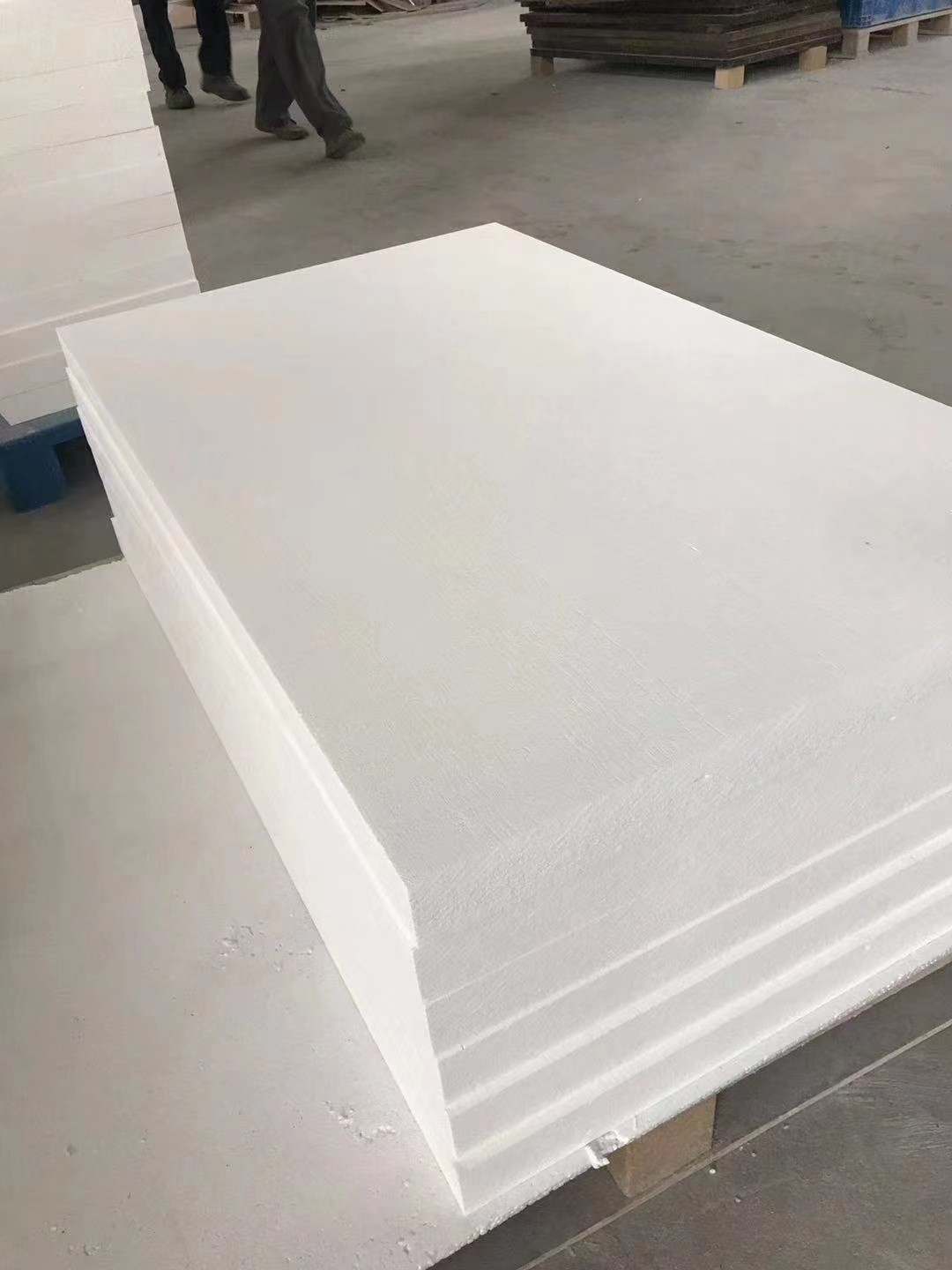
Preventing Heat Bridges in High-Temperature Furnace Linings
One of the most common causes of furnace lining failure is the development of heat bridges. A heat bridge occurs when heat bypasses the insulation material through a gap or a highly conductive path, causing a localized hot spot on the furnace shell. Over time, this hot spot can lead to shell distortion, energy loss, and lining degradation.
How Heat Bridges Form
Heat bridges typically form at the joints between ceramic fiber boards. When boards are installed side-by-side, even a tiny gap allows hot gases to penetrate. As the furnace operates, thermal shrinkage causes the boards to contract slightly, widening the gaps. If the lining is a single layer, the heat travels straight through these gaps to the cold face.
Design Solutions: Staggered Joints
The most effective way to prevent heat bridges in board linings is to use a multi-layer design with staggered joints. Instead of using one thick layer, engineers specify two or three thinner layers (e.g., 50mm hot face + 50mm back-up).
When installing, the joints of the upper layer are offset from the joints of the lower layer. This staggered configuration forces any heat that penetrates the first layer to travel laterally through the second layer, drastically reducing the thermal bridge effect.
The Role of Material Density and Precision
To ensure a tight fit and minimize initial gaps, the dimensional accuracy of the boards is critical. Pressed ceramic fiber boards offer high density and uniform thickness, which allows for precise CNC machining to ±1mm tolerances. This tight fit reduces the initial gap width between boards, making the staggered joint strategy even more effective.
Furthermore, using different material grades for different layers—such as 1800°C alumina fiber board on the hot face and 1400°C ceramic fiber board as back-up—optimizes the thermal gradient. The dense hot face resists erosion, while the lower-density back-up layer provides excellent insulation and cost efficiency.
Conclusion
Preventing heat bridges is a matter of design and material precision. By utilizing staggered multi-layer configurations and precision-machined pressed boards, furnace manufacturers can eliminate thermal leaks and extend the service life of their equipment.