Pressed vs. Vacuum Formed: Choosing the Right Ceramic Board
- Share
- Issue Time
- Nov 20,2026
Summary
Compare high-density pressed boards and vacuum-formed parts for furnaces. Learn which ceramic board offers better erosion resistance and strength.
Pressed vs. Vacuum Formed: Choosing the Right Ceramic Board
In the refractory industry, ceramic fiber products are manufactured using different methods. When it comes to flat boards for furnace walls and hearths, the primary manufacturing process is either pressing or vacuum forming. Understanding the difference is crucial for furnace OEMs designing high-velocity or high-mechanical-load furnaces.
What is Vacuum Forming?
Vacuum forming is typically used for complex, three-dimensional shapes (like burner blocks or special arches). It involves drawing a fiber slurry against a porous mold using a vacuum. While excellent for custom shapes, standard vacuum-formed flat boards often have lower density and lower mechanical strength.
The Advantage of Pressed Boards
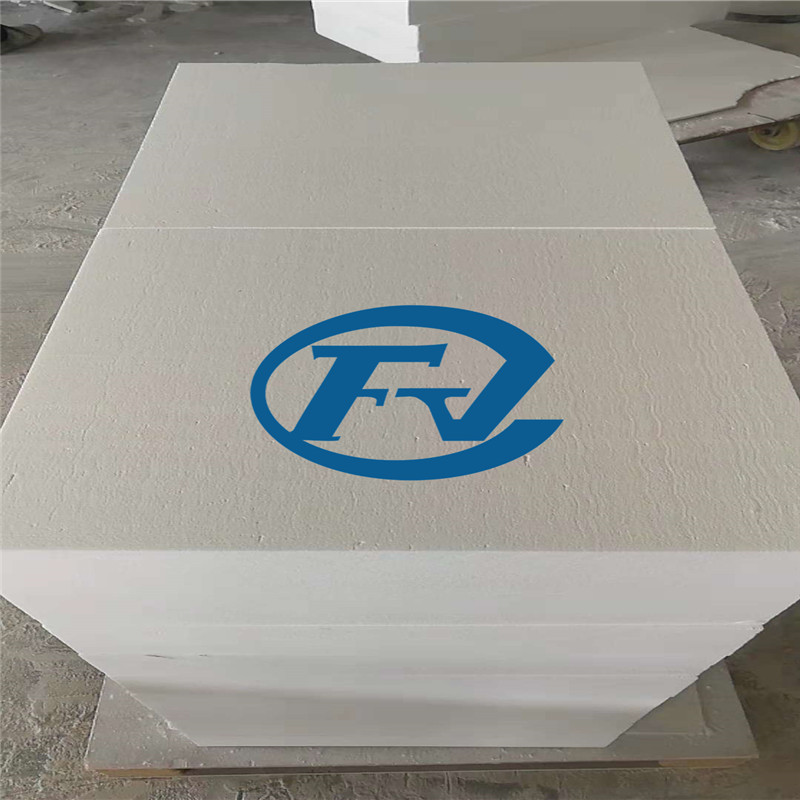
For flat furnace walls, High-Density Pressed Boards offer superior mechanical strength and resist gas flow erosion. The wet pressing process compresses the fibers together tightly, resulting in a dense, rigid board (typically 300-500 kg/m³).
Why choose pressed boards for your furnace design?
- Erosion Resistance: The tight fiber matrix prevents the board from being eroded by high-velocity combustion gases.
- Structural Integrity: Pressed boards do not sag or compress under their own weight, which is vital for tall furnace walls.
- Machinability: Due to their high density, pressed boards can be perfectly CNC machined to tight tolerances, ensuring precise installation.
When selecting materials for your next furnace project, specify high-density pressed boards for flat surfaces and reserve vacuum-formed parts only for complex geometries.